St Michael & St Martin Catholic Primary School
Art
Art Curriculum
Subject Leader: Alex Green
“I found I could say things with colour and shapes that I couldn't say any other way - things I had no words for” Georgia O'Keeffe
Intent - What are we trying to achieve?
At St Michel and St Martin Catholic Primary School, we believe that children should be taught not only how to use formal elements within their art work such as line drawing, tone, colour, space, texture etc., but to also analyse how formal elements are used as powerful communication tools to create effect. Children can use Art as a way of expressing themselves, their thoughts and feelings as well as having a creative outlet within a busy school day. We hope to enable children to become visually literate and understand that Art is a form of communication. Children are equipped with the skills needed to meet the National Curriculum expectations in Art as a result of a carefully planned curriculum with clear progression steps.
The national curriculum for art and design aims to ensure that all pupils:
- produce creative work, exploring their ideas and recording their experiences
- become proficient in drawing, painting, sculpture and other art, craft and design techniques
- evaluate and analyse creative works using the language of art, craft and design
- know about great artists, craft makers and designers, and understand the historical and cultural development of their art forms.
Implementation - How is the curriculum being delivered?
- The timetabled curriculum hours in Art are non-negotiable and will be followed by all staff in the school. Fixed timetables will be set before the academic year and monitored by the Senior Leadership Team and the Art subject leader.
- Where necessary, staff will receive CPD training in specific Art skills.
- The subject leader for Art will highlight staff training needs and meet all aspects of the job description.
- Carefully designed schemes of learning in Art ensure consistency and progress of all learners.
- High quality teaching responds to the needs of children.
- Teachers will document their Art lessons in a Year group Floor book including photos/comments from the children and work relating to their scheme that is being taught. In addition to this, the children have individual sketchbooks to use where it is appropriate to do so.
- High quality input from experts and educational resources complement the delivery of specialist learning excellently. Children understand how Art is used in the wider world including careers.
- Artist studies are carried out to ensure children leave our school with a wide range of artist knowledge.
- Cross-curricular lesson incorporated into the curriculum where possible to link Art with other subjects.
- Off-site trips, topic days and galleries to be held to ensure that children engage with the subject and find joy in displaying a piece of Artwork they have created.
Impact - What difference is the curriculum making?
We create rich environments to enable children to become independent in the planning and reviewing of their own and peers' work. Displaying how being reflective can help further develop knowledge and outcomes.
We develop children's capacity for imaginative and original thought and to try out new ideas without the fear of failing. Art is an expressive subject with no right or wrong outcomes. Art is what you make it!
If you visited an Art lesson at St Michael and St Martin’s, you would see:
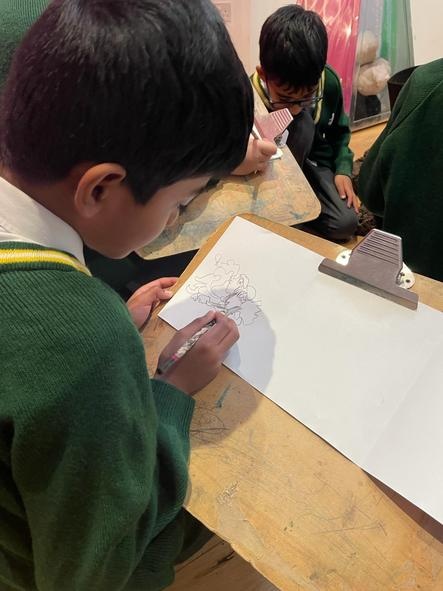
One of the three stages taught at St Michael and St Martin’s School. A learning stage, a modelling stage and a practical stage. The learning stage is where Children learn about a particular art style or technique, a focus artist or piece of artwork or an art skill that is the focus for the day's lesson. The next stage is the modelling where the class teacher will demonstrate the art skill or show examples of various artists' work or particular pieces. Then the practical stage where children will try out the learnt skill for the lesson or replicate their own version of a piece of artwork.
Cultural Capital
As a school, we endeavour to make sure all children receive the best curriculum they can; this is done through extra-curricular opportunities to enhance and progress learning and enjoyment of the Art subject. Children are encouraged to take part in as many extra-curricular activities as possible.
We offer:
- Art and Craft after school club
- Art trips and museum visits
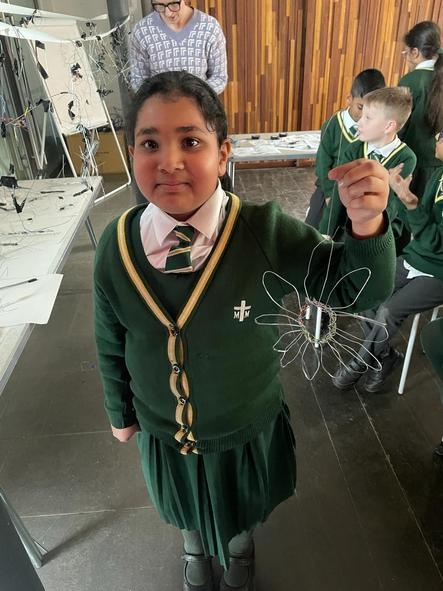
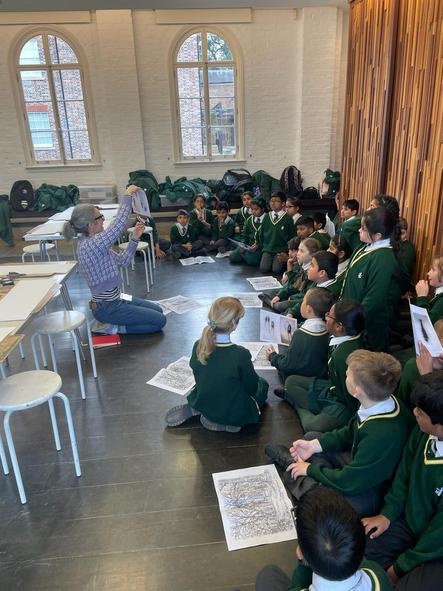
- Artist led workshops (this term is sculpture and wire drawing)
- Art competitions both in school and nationally
- Opportunities to showcase work in our school Art Gallery
- Whole school Art topic days
- Tea towel designing
How does Art at St Michael and St Martin Catholic Primary School promote our school ‘STRIVE’ values?
During our Art lessons we …
- connect spiritually with our community including through using art as a medium to express their individual beliefs
- deepen our thinking about when to engage prior knowledge and when thinking critically about work produced by themselves and others
- be resilient when faced with new experiences and challenges
- demonstrate independence when using resources and working towards an outcome
- value the ideas and opinions of others when working collaboratively
- empathise with others by being understanding and supportive of their achievements
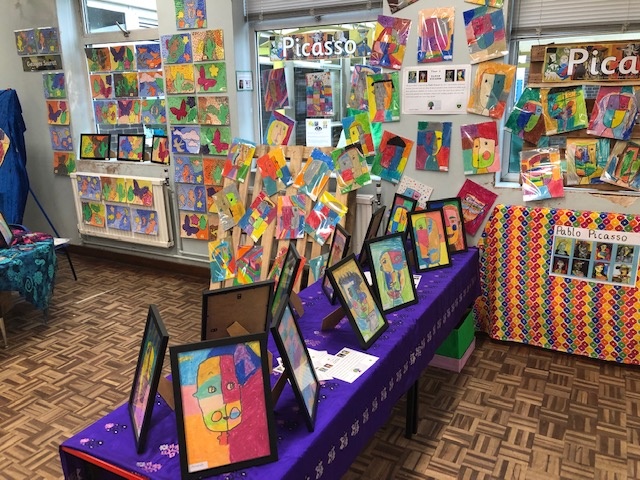
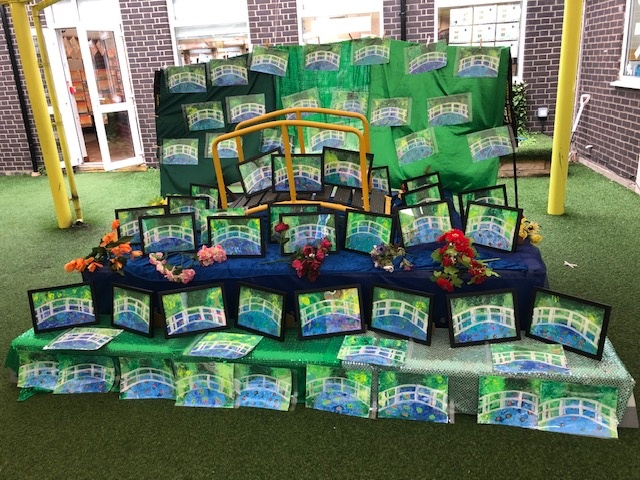
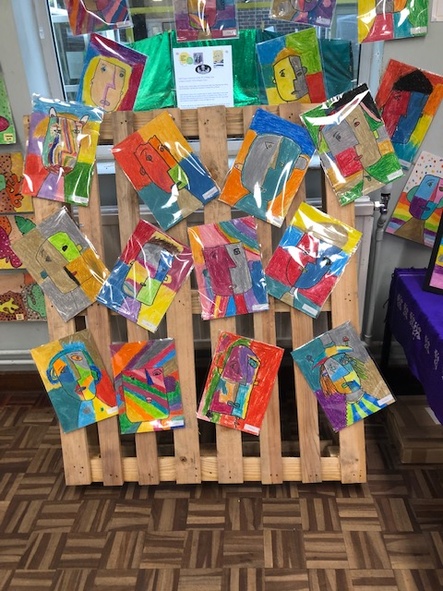
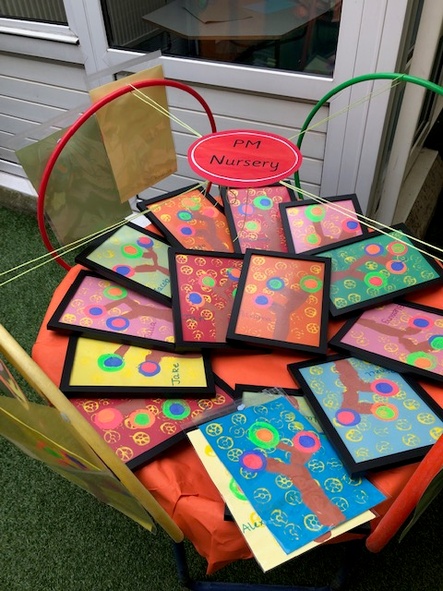
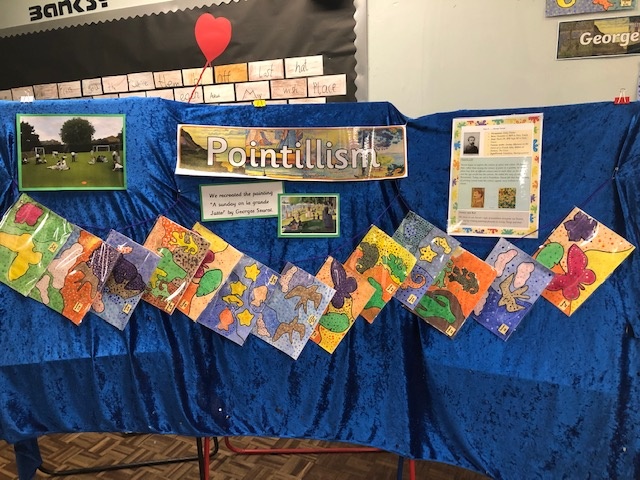
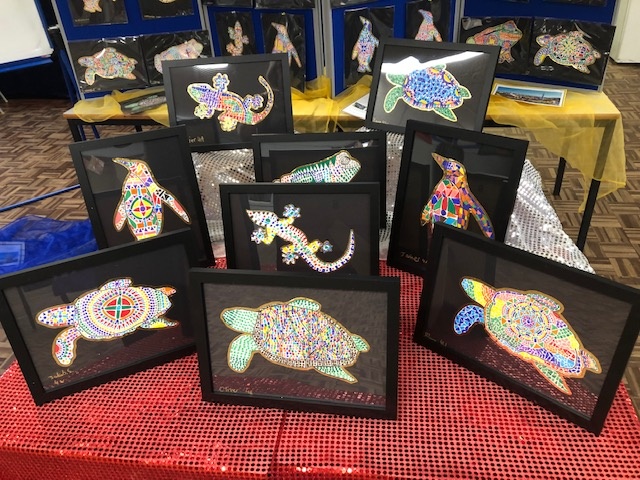
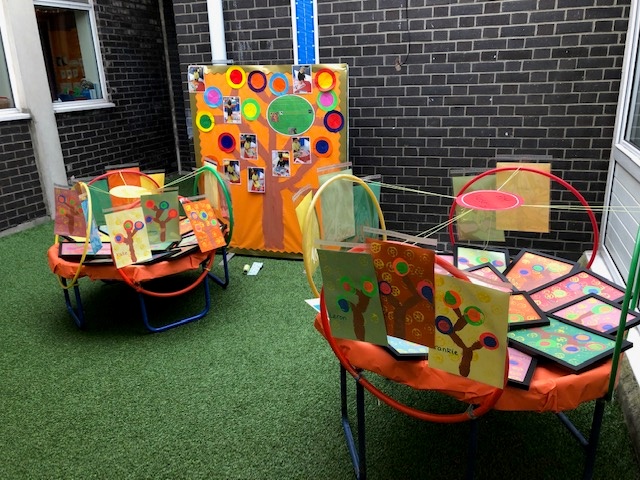
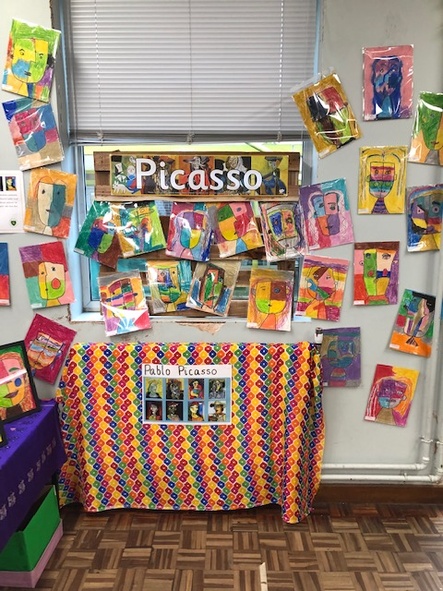
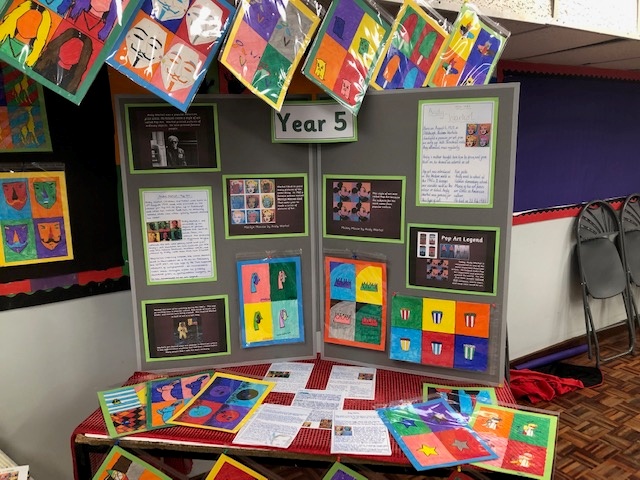
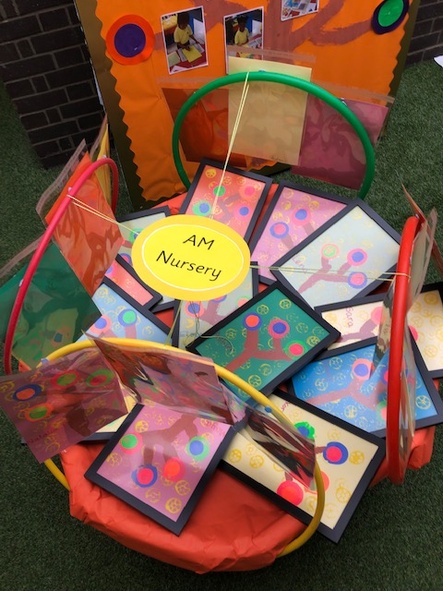
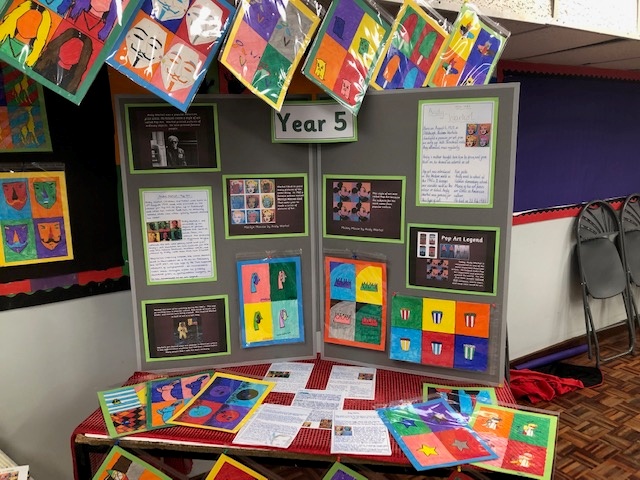
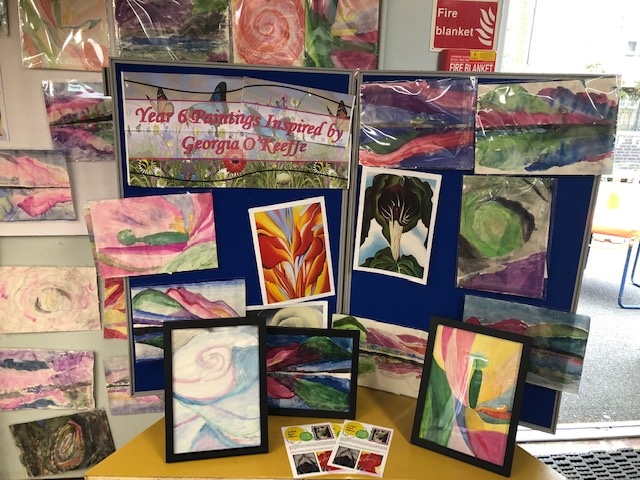
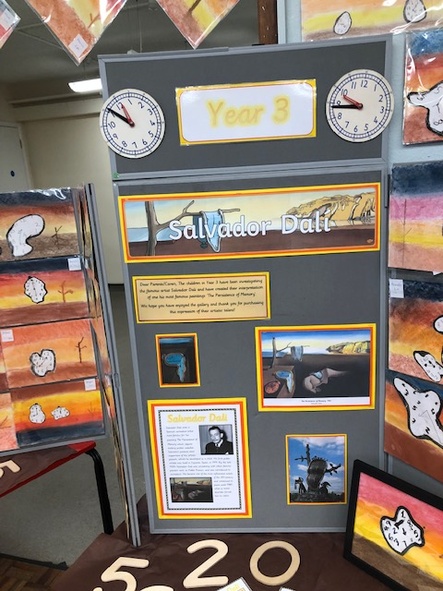
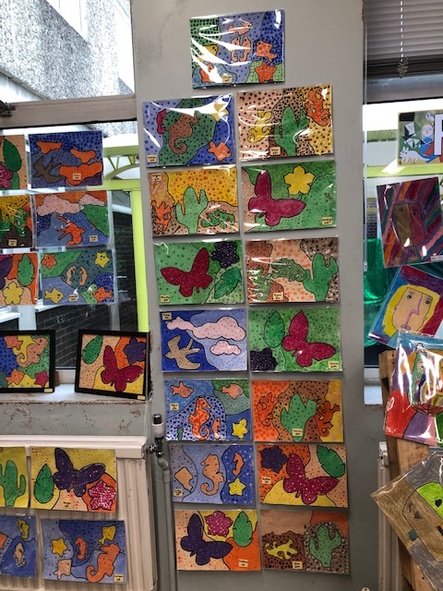
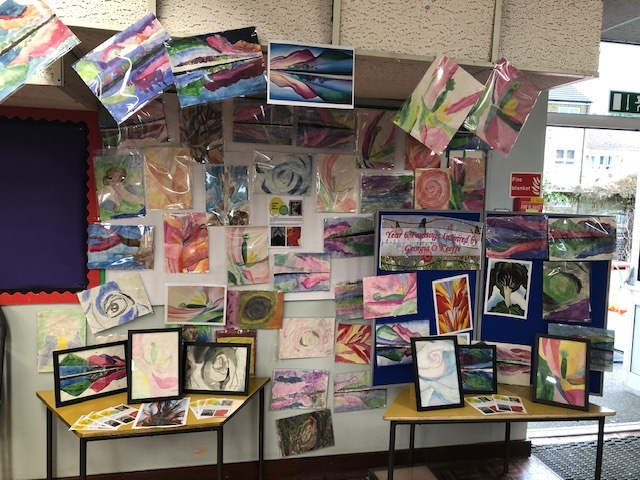
In the Summer term we opened an Art Gallery where each year group displayed their own artwork adapted from a famous piece.
"In this era of artificial intelligence, it is becoming urgent to distinguish human art from what machines produce. There is an ontological difference, even before an aesthetic one, between art and what a machine can generate through statistical calculation based on millions of images created by others. Algorithms lack the spark of humanity. For this reason, the Church wishes to renew an alliance with artists and cultural institutions to safeguard our humanity."
Pope Leo X1V - 3rd October 2026