St Michael & St Martin Catholic Primary School
History of Our School
- The roots of the school go back to the establishment of the parish of St Michael & St Martin Church in Hounslow. The parish was formally created in 1884.
- In 1885, a building was constructed on Bath Road (94 Bath Road) that served dual purposes - as a school during the week and as a chapel on Sundays. This small “school-chapel” became the centre of Catholic activity in Hounslow at the time.
- On 24 August 1886, the present parish church of St Michael & St Martin was formally opened by Cardinal Manning (then Archbishop of Westminster), dedicating the parish to Saints Michael and Martin — patrons deemed appropriate for Hounslow (then a military garrison town).
So the original “school” tied to the church dates back to the mid-1880s — the dual-purpose school-chapel was in effect the forebear of what later became the primary school.
📚 Transition to the Modern Primary School
- Over time, as the Catholic community in Hounslow grew, the need for a dedicated Catholic primary school, not just a school or chapel, increased. The institution that exists today as St Michael and St Martin Catholic Primary School traces its heritage back to those parish roots.
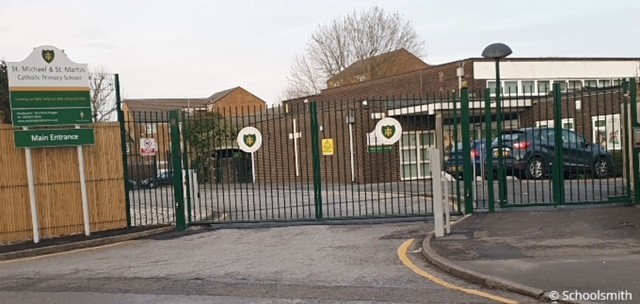
- In 1978 the school moved to a new location on Belgrave Road, where it still remains today.
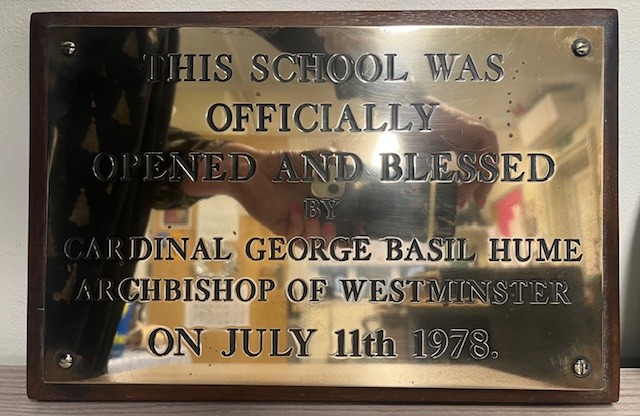
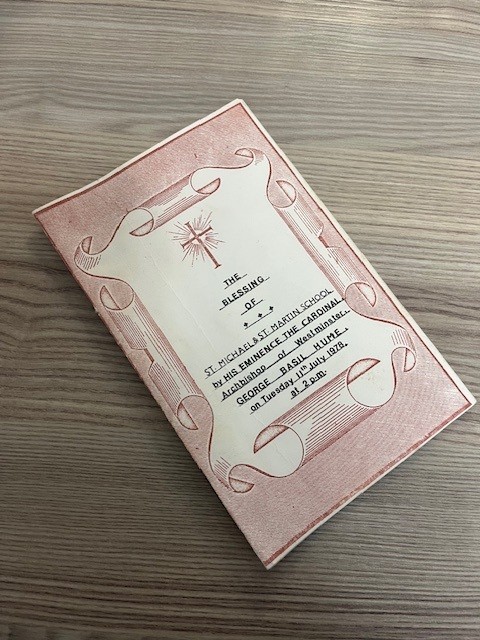
- The school is officially listed under the age range 3–11 (nursery through Year 6) and is a “voluntary aided” primary school under the local authority.
- The school was “founded by the Catholic Church to provide education for children of Catholic families.”
St Michael & S Martin School Timeline
c. 1884 — Resident priest appointed; parish beginnings
Mass in Hounslow had been served from nearby towns; a resident priest was appointed in 1884 as the Catholic community grew. This is when the parish really began to organise a local church and school.
1886 — Dual-purpose school-chapel built (school + chapel)
A small building behind the priest’s house on Bath Road was built as a combined school and chapel in 1886. That dual-use building is the direct ancestor of the later parish primary school.
24 Aug 1886 (parish church opening)
Cardinal Manning formally opened the church dedicated to Ss Michael & Martin in 1886, cementing the parish identity that would found and support the Catholic school.
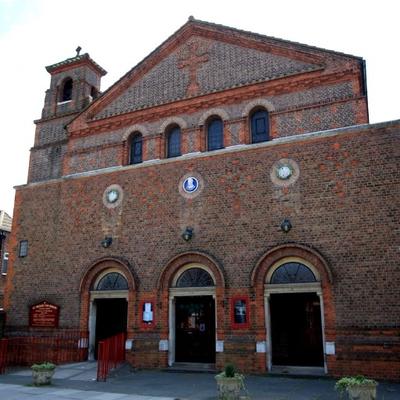
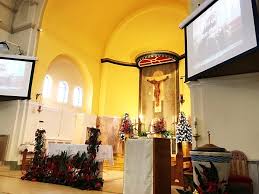
1928–29 — Present parish church constructed as the area expands.
As Hounslow expanded between the wars, a larger church building (the present Bath Road church in an Italian Romanesque/basilican style by George Drysdale) was built in 1928–29 to serve the growing Catholic community — the school continued to develop alongside parish growth.
Mid 20th century — Parish schools and wider Catholic education in Hounslow
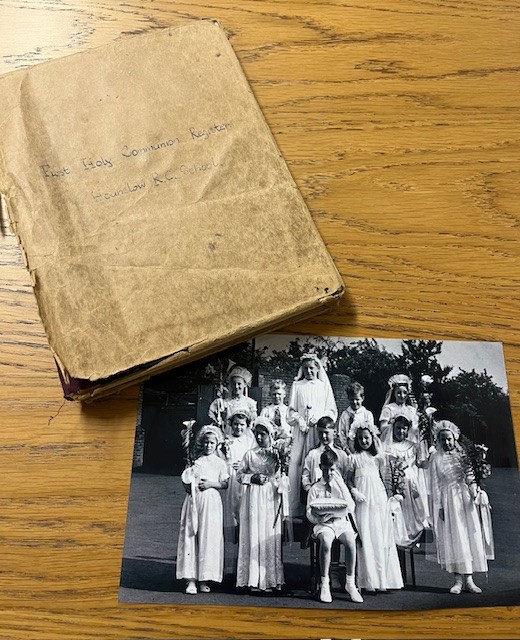
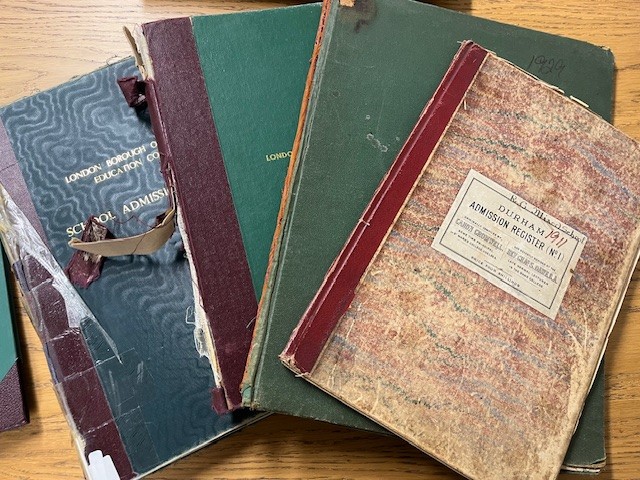
Through the 1930s–1950s the parish was active in promoting Catholic education locally (work on secondary provision and parish schools is recorded in local school histories). The parish and its priests were instrumental in creating the local Catholic school network.
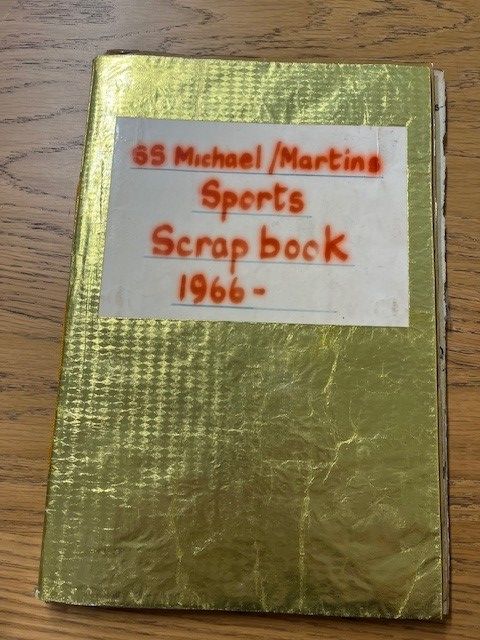
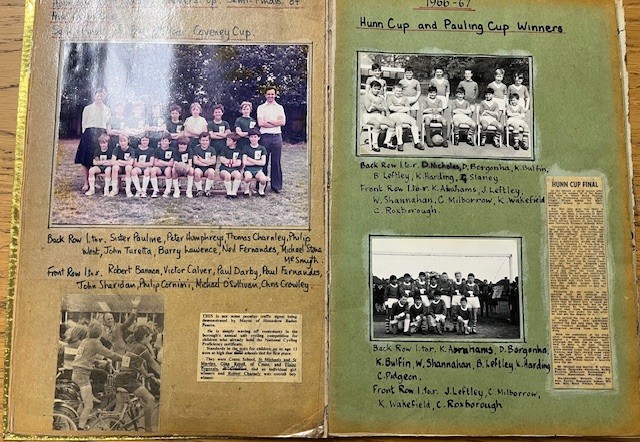
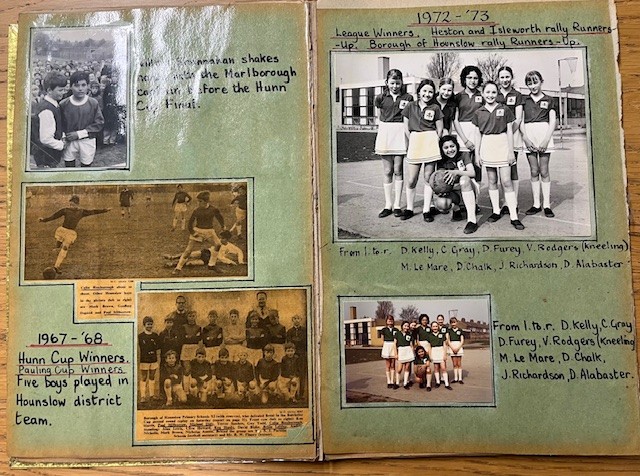
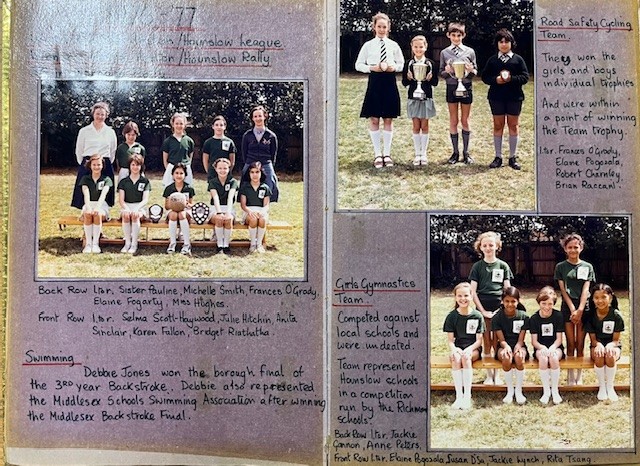
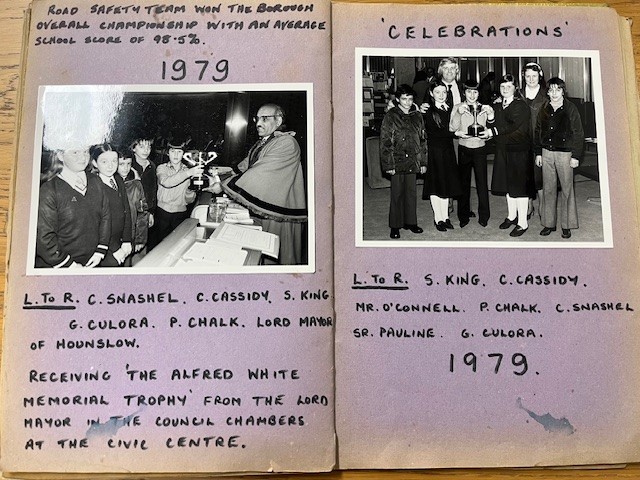
Modern era — St Michael & St Martin Catholic Primary (Belgrave Road)
The school today is a voluntary-aided Catholic primary for ages 3–11 on Belgrave Road, Hounslow (TW4 7AG). It retains formal links with the parish and Diocese and describes itself as “founded by the Catholic Church to provide education for children of Catholic families.”
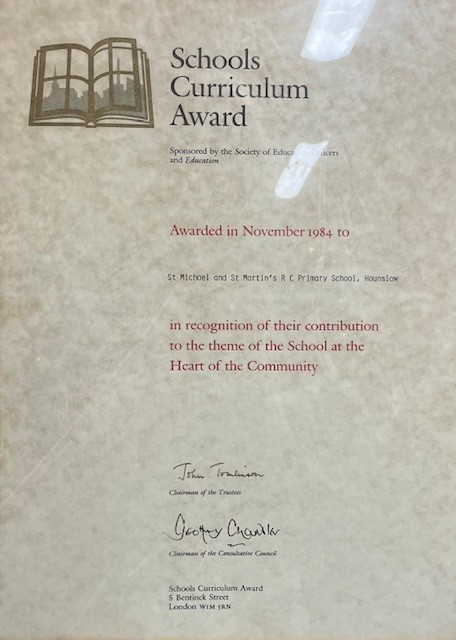
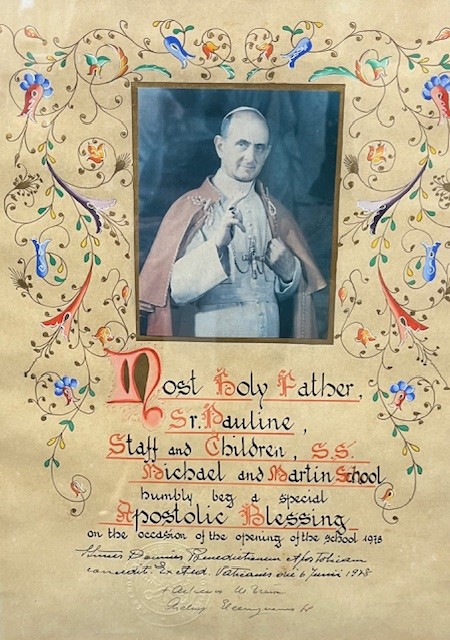
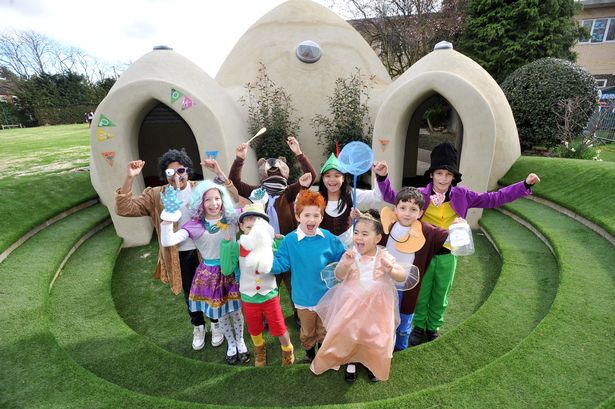
2016 — Heathrow funds an ‘adobe’ outdoor learning pod at the school
Heathrow installed a noise-reducing adobe building at the school to provide a quiet outdoor learning space in 2016 — part of a local schools programme.
April 2023 — Ofsted inspection: Outstanding
The school was inspected in April 2023 and judged Outstanding overall (including the quality of education, early years, leadership and personal development).

May 2026 - Bishop Curry Visits School
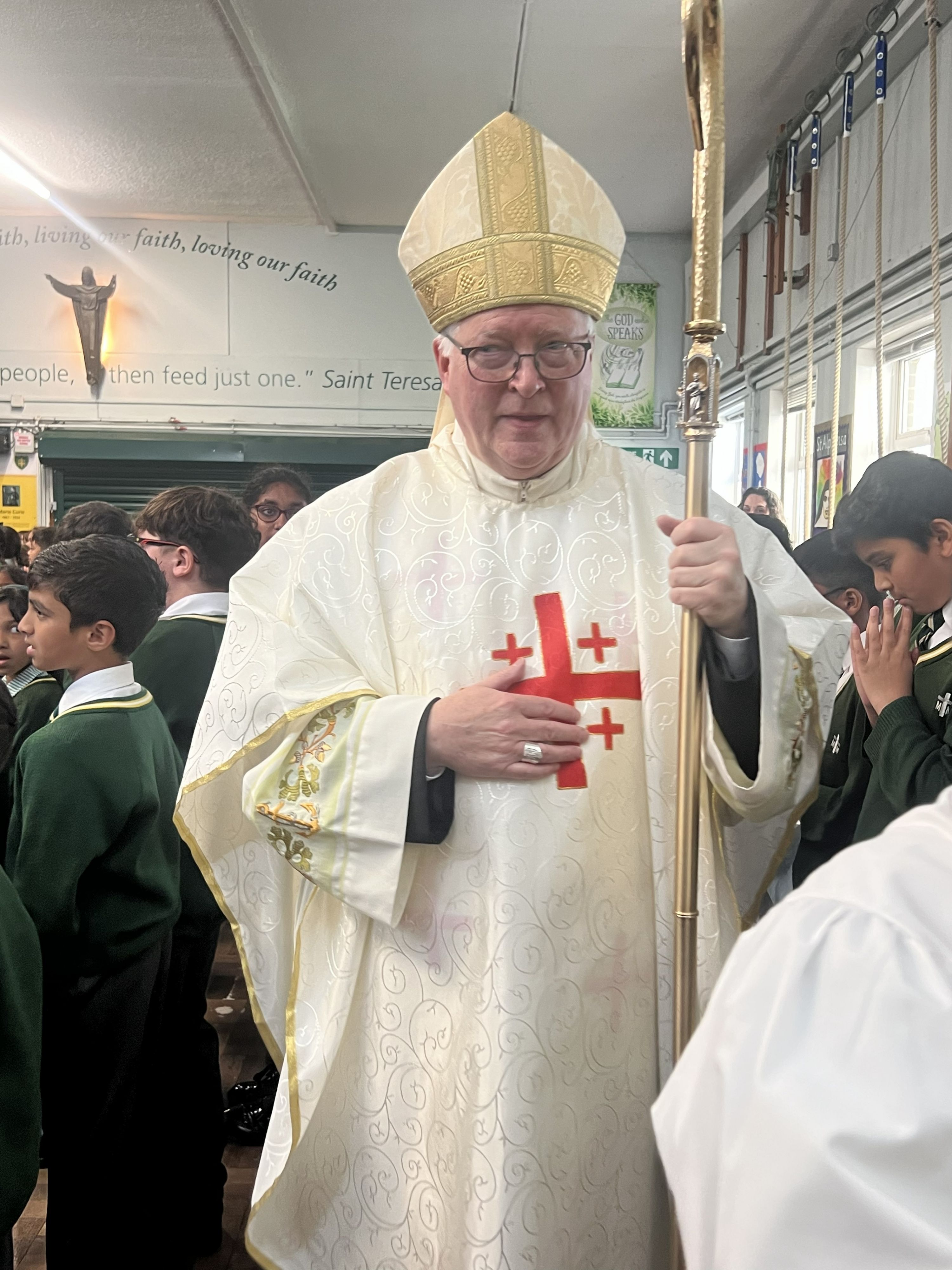
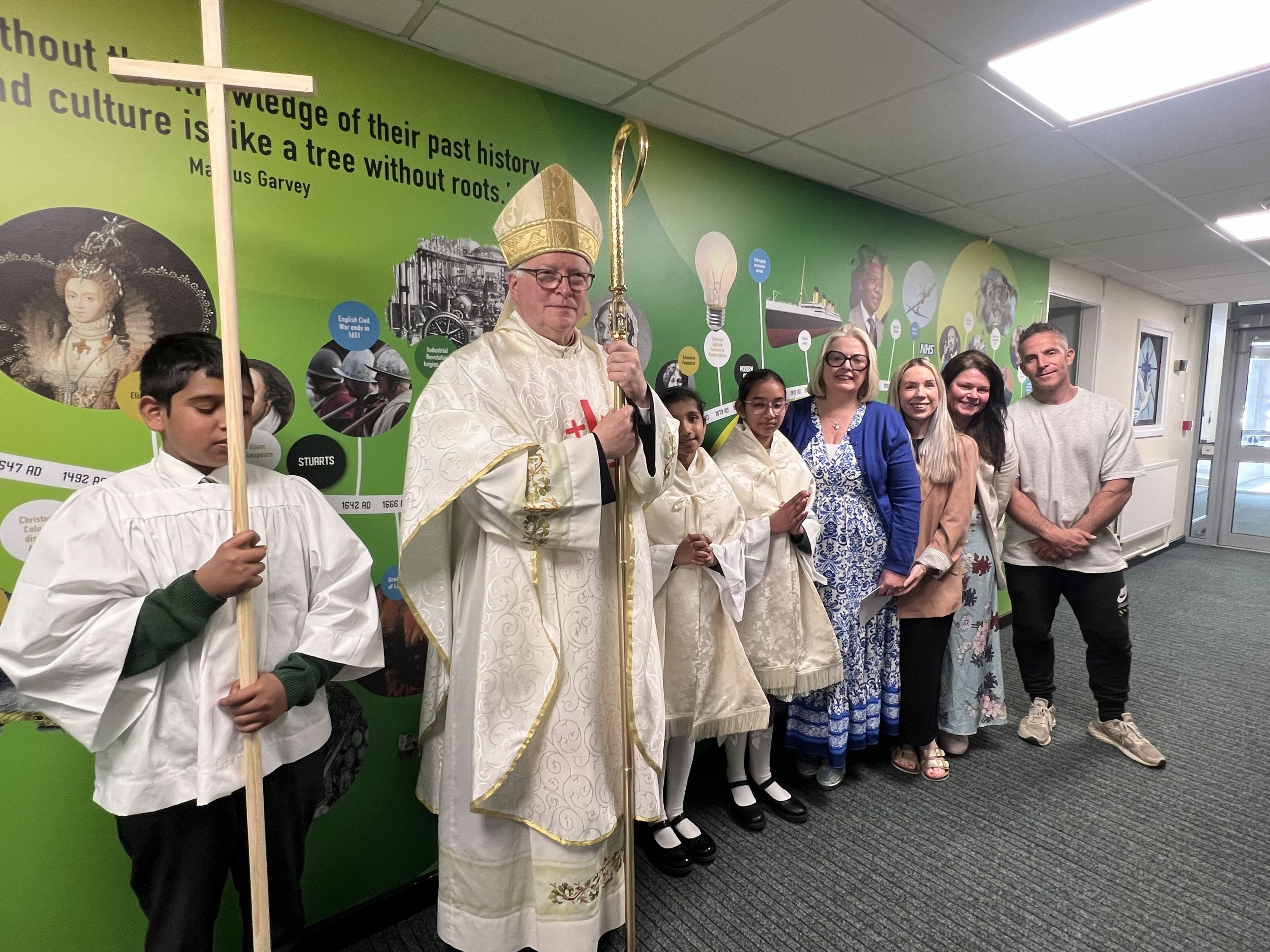
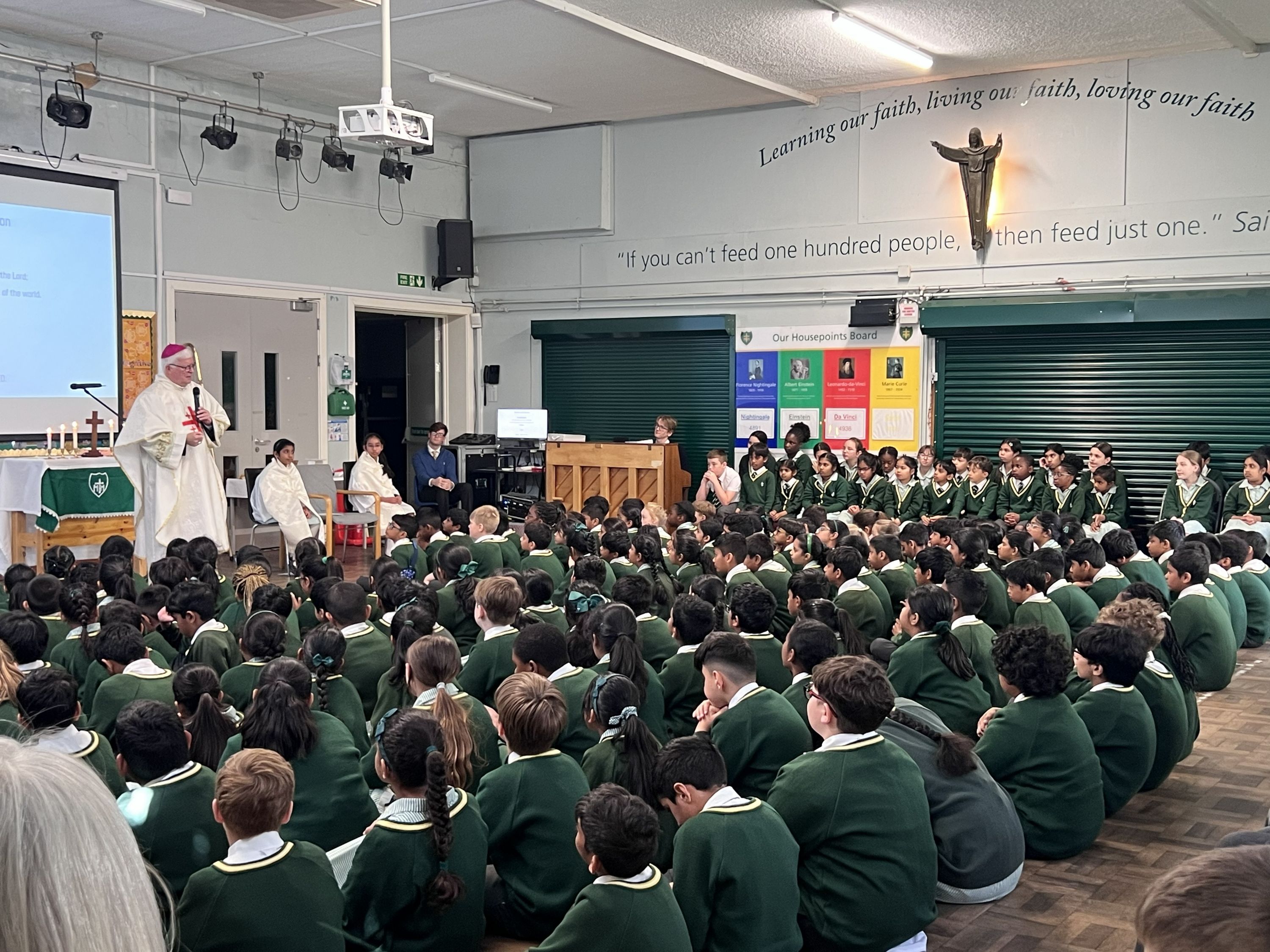
In May 2026, we welcomed the Most Reverend Bishop J Curry into school to celebrate the Ascension Mass and also to open St Anthony’s Chapel, which the Chaplaincy Team have created using the Adobe Hut. It was a wonderful day of prayer reflection and celebration.
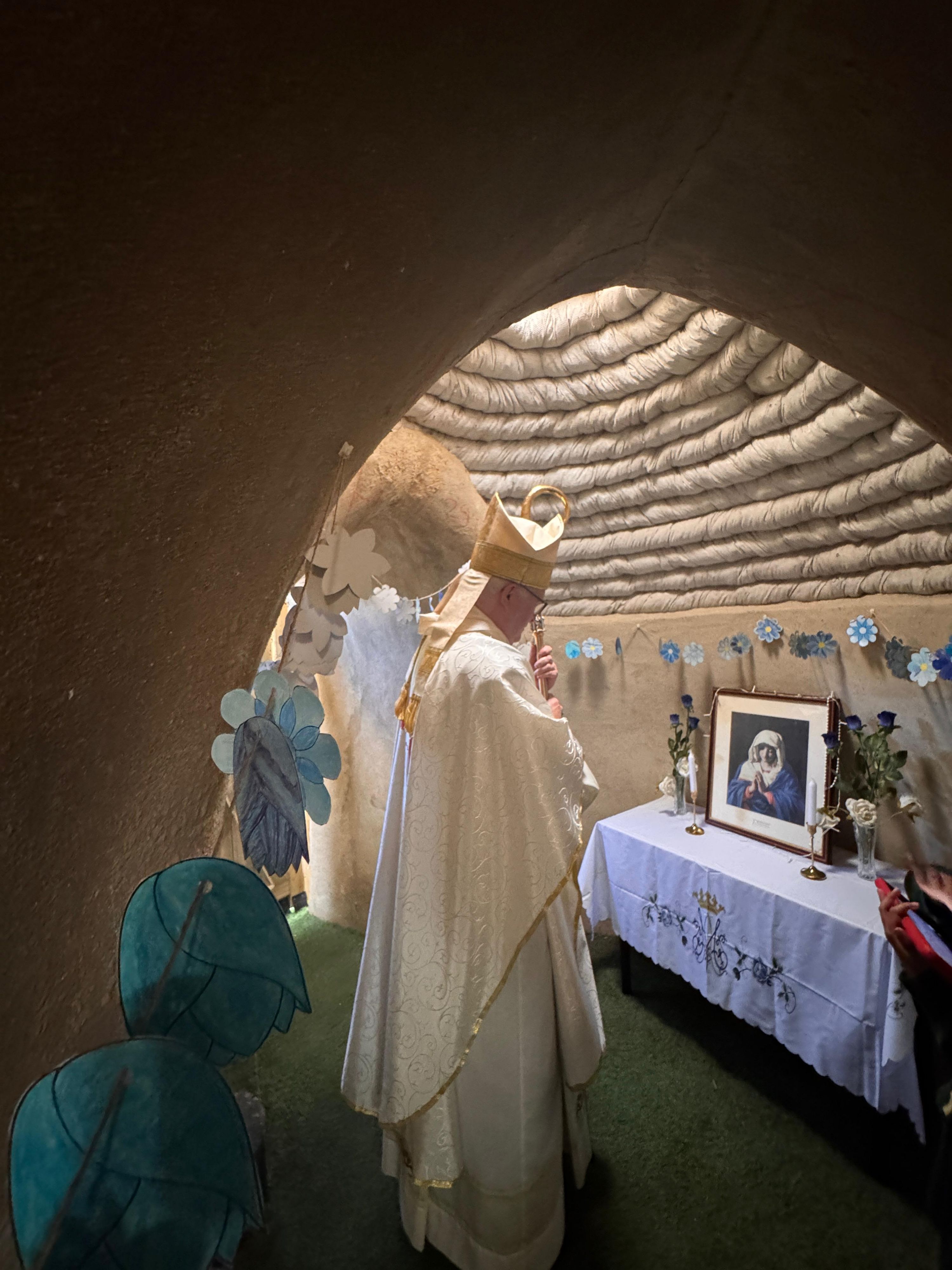
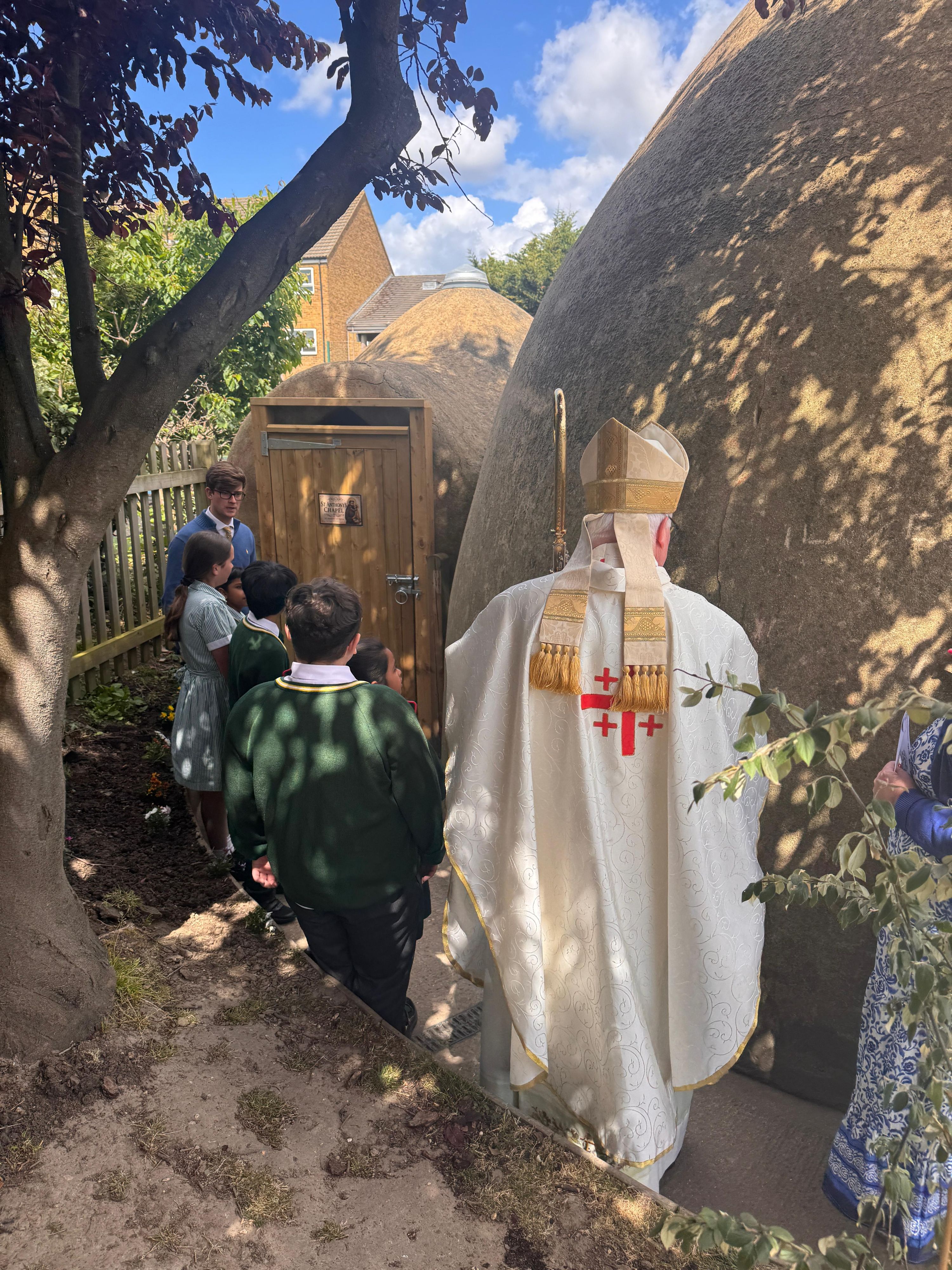
Click here to see more of St Anthony's Chapel